 by
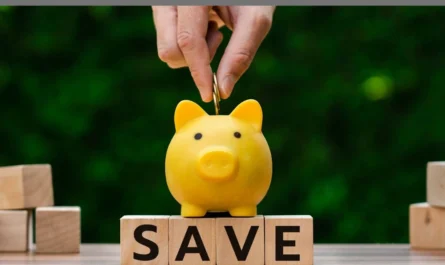
by Practical Saving Strategies for Families are more important than ever in a 2026 economy where the U.S. personal saving rate has hovered around a lean 3.5%. Many American households are feeling the pinch. Inflation may have stabilized from record peaks, but the “new normal” for grocery and utility prices has left parents wondering how to keep the fridge full without draining the bank account. Implementing these strategies isn’t about deprivation; it’s about a smart lifestyle shift that prioritizes long-term financial security over short-term convenience. lets epxore it with us.
The “Inflation Buffer” Budget
The first step to financial freedom this year is moving away from reactive spending and toward a proactive “Inflation Buffer” model. Experts recommend the 50/30/20 rule—allocating 50% of income to needs, 30% to wants, and 20% to savings—but with a 2026 twist: building a 5% “buffer” category for fluctuating utility and food costs. By making this one of your core practical saving strategies for families, you prevent unexpected price hikes in natural gas or electricity from derailing your entire monthly plan.
Master the “Pantry Cycle” Method
Groceries remain the largest variable expense for most households, and the “Pantry Cycle” is the ultimate weapon against food waste. Instead of shopping for a pre-set list of recipes, audit your freezer and pantry every Thursday night to see what needs to be used before it expires. Building your weekly menu around these existing items is one of the most effective practical saving strategies for families, often cutting grocery bills by $75 to $100 per month simply by eliminating duplicate purchases and waste.
Stop the “Vampire” Expense Leak
In 2026, the average U.S. family pays for over five streaming or subscription services, many of which go unused for months at a time. These “vampire” expenses suck the life out of your savings account $15 at a time. A high-impact move in your arsenal of practical saving strategies for families is to conduct a “ruthless cancellation” session once a quarter, keeping only the services you’ve used in the last 30 days and switching others to “pay-as-you-go” models.
2026 Family Savings Checklist
High-Yield Savings: Making Your Cash Work
With high-yield savings accounts (HYSAs) still offering rates around 4% in early 2026, where you keep your money is just as important as how much you save. Moving your emergency fund from a traditional “big bank” checking account to an online HYSA is one of the easiest practical saving strategies for families to generate passive income. This ensures that while you are working hard to save, your money is also growing through compound interest, providing a better safety net for those $1,000 “surprise” car repairs.
The 48-Hour Buffer Rule
Impulse spending is the enemy of a balanced budget, especially with one-click digital wallets making it easier than ever to buy. Adopting a mandatory 48-hour waiting period for any non-essential purchase over $50 can revolutionize your finances. This simple pause is one of the most psychological yet practical saving strategies for families, helping you distinguish between a genuine need and a fleeting dopamine hit from a sale notification.
Automate Your Future
Consistency is the most difficult part of saving, which is why automation is your best friend in 2026. Set up an automatic transfer from your paycheck directly into a separate savings account or a 401(k) to ensure you “pay yourself first.” When you treat savings as a non-negotiable bill rather than a “leftover” amount, you solidify practical saving strategies for families into a long-term habit that persists even when life gets chaotic.
Are you ready to see how much your family could save this month? Would you like me to create a customized “30-Day No Spend Challenge” template for your family to jumpstart your 2026 savings goals?